Waste separation
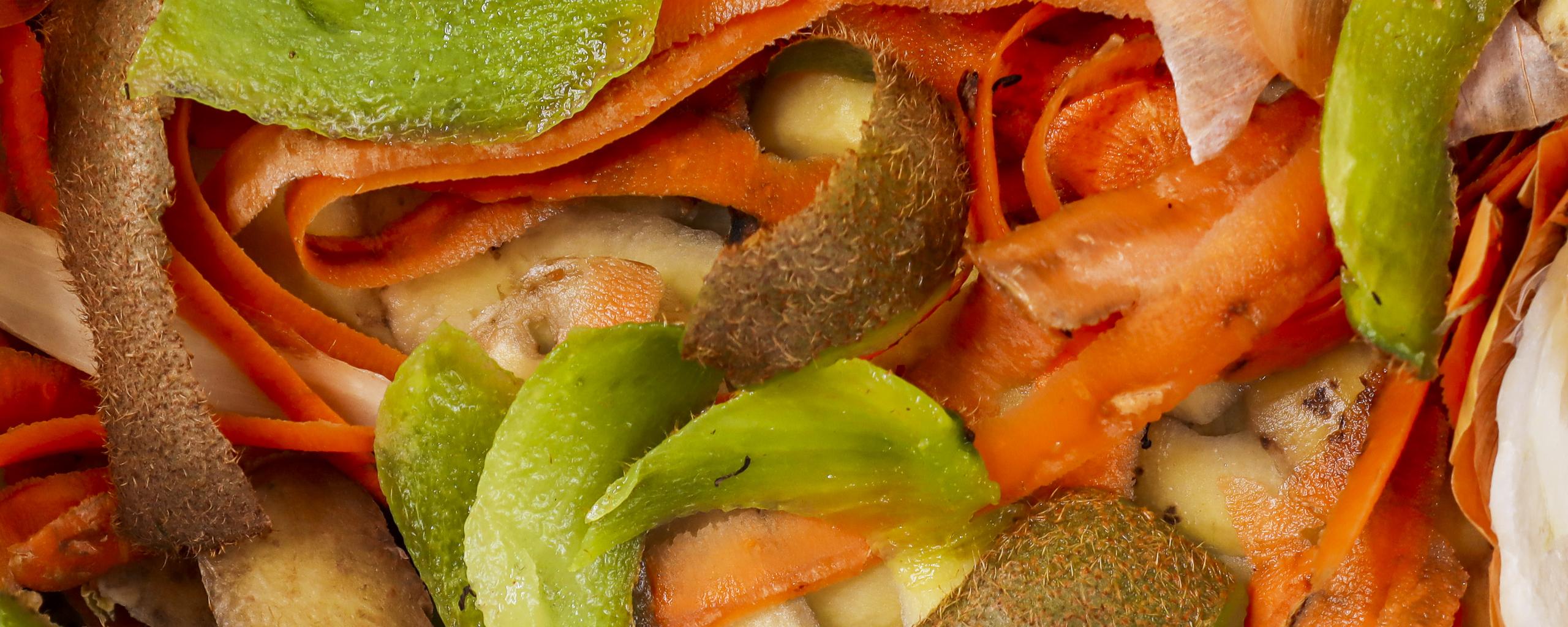
A lot of fruit and vegetable waste ends up in the gray bin. Of course, you know it doesn’t belong there. Often, it’s easier to just throw it in the trash, or you might find it unpleasant to sort out organic waste separately. Fruit and vegetable waste in the green bin, and only general waste in the gray bin—that’s what we’re aiming for.
Learn more
More sustainable but also cheaper
Sorting your trash isn’t just better for the environment—it’s also good for your wallet. That’s because having the green bin emptied costs less than having the gray bin emptied.
Since 2026, having the green bin emptied has cost €1 per pickup. The costs for emptying the gray bin have also changed. There is a fixed rate, but also a variable rate.
A fixed fee is charged per collection for emptying the gray bin, plus a fee per kilogram of residual waste presented.
The rates are as follows:
- The flat rate per lot for 2026 is €207.
- The variable fee for the gray bin will be €1.00 per pickup and €0.30 per kilogram.
- The variable fee for the green bin is €1 per pickup.
- Emptying the paper container remains free of charge.
Everyone less waste
Fruit and vegetable waste also contains a lot of moisture, and that moisture makes the gray bin unnecessarily heavy. Reducing the weight in the gray bin is important because we’ve agreed in the Netherlands that by 2020, residual waste must not exceed 100 kilograms per person per year. In Opsterland, the average weight is currently 106 kilograms per resident per year. On average, 6 kilograms less waste needs to end up in the gray bin in our municipality. Fruit and vegetable waste makes a huge difference in terms of weight. But even better separation of textiles, paper, glass, and small electrical appliances also contributes to meeting the national targets.
Useful links